

AI medical interpreters: the evidence isn’t keeping up
Back to Menu ↩ Artificial intelligence is being adopted across healthcare at a remarkable pace, and language access services are no exception. Hospitals are increasingly
Teacher Notes
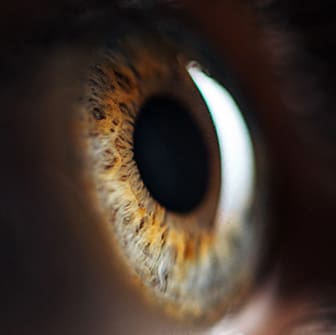
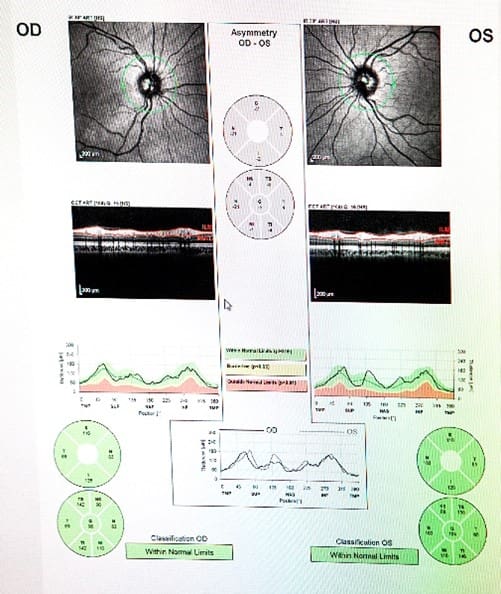
Topic: The Eye is our ‘window to the brain’
Timing: 30 mins
Lesson Type/Focus: Reading
Level: B2-C1
Aims
Reading for detail
Vocabulary development (the eye/ eye conditions)
Part 1: Review the vocabulary terms: the stressed syllable is in bold.
age-related macular degeneration
foveal hypoplasia
glaucoma
nystagmus
ophthalmoscope
optic nerve
optical coherence tomography (OCT)
optician
photoreceptor
retinal dystrophies
retinal imaging
slit lamp
vision
Word part | Meaning |
dys- | bad, imperfect, difficult |
optic- | relating to the eye as an organ of vision |
ophthalmo- | the eyes |
photo- | light |
-plasia | formation, growth, development |
tomo- | slice |
tropho- | nourishment, food |
vis- | to see, view ( from Latin videre) |
Download the complete lesson:
We have many more available on our partner’s website. EALTHY is a unique international association for
English for Healthcare teachers, writers and researchers. It offers members a growing bank of lesson plans, OET resources, articles and research summaries, as well as free and discounted access to conferences, journals, publications and SLC courses!
Through our partnership, we publish at least three new plans in the EALTHY Members Area every week. So, if you’re a teacher looking for excellent resources, now is the time to join an international English for Healthcare community and take advantage of everything EALTHY has to offer.
Annual memberships are available for teachers and for institutions. We hope very much to see you there!
Get your monthly updates and latest materials on Medical English

Back to Menu ↩ Artificial intelligence is being adopted across healthcare at a remarkable pace, and language access services are no exception. Hospitals are increasingly

Back to Menu ↩ Standardized patients — trained actors who simulate clinical encounters — have long been considered the gold standard for teaching doctor-patient communication.