

AI medical interpreters: the evidence isn’t keeping up
Back to Menu ↩ Artificial intelligence is being adopted across healthcare at a remarkable pace, and language access services are no exception. Hospitals are increasingly
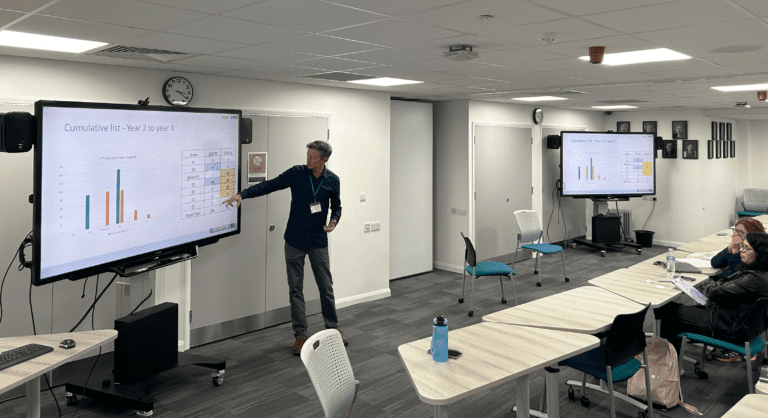
Learning the Lessons: Analysing the Creation of a Sustainable, Structured Nursing English Programme in Multiple Nursing Colleges across India
This presentation analysed the development of Nurs-Eng, an English language programme for nurses, delivered to Degree and Diploma level students at nursing colleges across India. The programme was created through SLC’s partnership with EbekMed (part of Ebek), who identified the need for Indian nurses to achieve better levels of professional English for both work and study.
Nurs-Eng consists of standardised 3- and 4-year courses with progress assessed by Cambridge Upskill and OET Pulse. Ebekmed provides face-to-face tuition and SLC provides the curriculum and course materials – all digital and downloadable, so they can be done on any device in any setting.
The presentation looked at why and how the programme was created, the challenges overcome, and what progress students made over the first two years of its delivery.

Back to Menu ↩ Artificial intelligence is being adopted across healthcare at a remarkable pace, and language access services are no exception. Hospitals are increasingly

Back to Menu ↩ Standardized patients — trained actors who simulate clinical encounters — have long been considered the gold standard for teaching doctor-patient communication.

Back to Menu ↩ UK, Ireland, Australia and New Zealand These four countries each have a single national medical regulator. The GMC sets the highest
Get your monthly updates and latest materials on Medical English