



The global migration of healthcare workers: why English matters more than ever
Back to Menu ↩ The latest OECD International Migration Outlook 2025, published in November in collaboration with the WHO, paints a striking picture of just
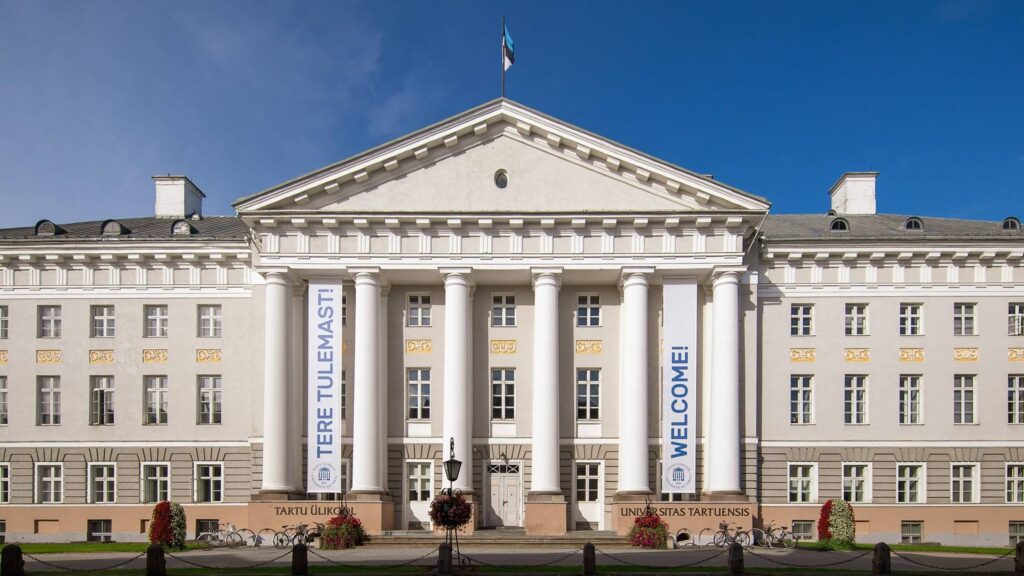
In February 2026, the University of Tartu in Estonia made history by becoming the first institution in the world to embed the WHO Global Competency Standards for refugee and migrant health into a national medical curriculum. The standards are designed to equip healthcare professionals to deliver trauma-informed, culturally sensitive care — recognising that displaced patients often carry histories of trauma that shape how they experience and engage with healthcare.
The parallel with language education is striking. Refugee and asylum seeker healthcare professionals (RASHPs) — doctors and nurses who have been displaced and are working to re-enter clinical practice in their new host country — represent a highly educated but deeply vulnerable group of English language learners, with a wide range of linguistic backgrounds, experiences, and proficiency levels. For teachers working with this group, subject expertise alone is not enough.
Research and training in appropriate trauma-informed pedagogies remains sparse and largely dissipated across disciplines — spanning ELT, refugee studies, trauma psychology, and positive psychology — making it difficult for teachers to gain the knowledge and skills to work with refugees as effectively as they could. Meanwhile, post-traumatic stress is known to affect verbal learning, memory and concentration, yet most ESL teachers do not receive training in trauma-informed teaching.
The WHO standards adopted in Estonia offer a compelling mirror for language educators: that working with displaced professionals requires not just subject expertise, but a conscious commitment to safety, cultural humility, and person-centred practice. Whether you are training a clinician to treat refugee patients, or an English teacher preparing a refugee doctor for professional practice or OET, the quality — and the sensitivity — of that human interaction matters enormously.

Back to Menu ↩ The latest OECD International Migration Outlook 2025, published in November in collaboration with the WHO, paints a striking picture of just

Back to Menu ↩ A new qualitative study published in JMIR Medical Education in February 2026 offers a timely glimpse into the future of clinical

Back to Menu ↩ If you are a doctor, nurse or carer thinking about working abroad this year, you’ve probably felt like the job market’s